

Introductory Half Day Glassblowing Class
Introductory Half Day Glassblowing Class
Low stock: 2 left
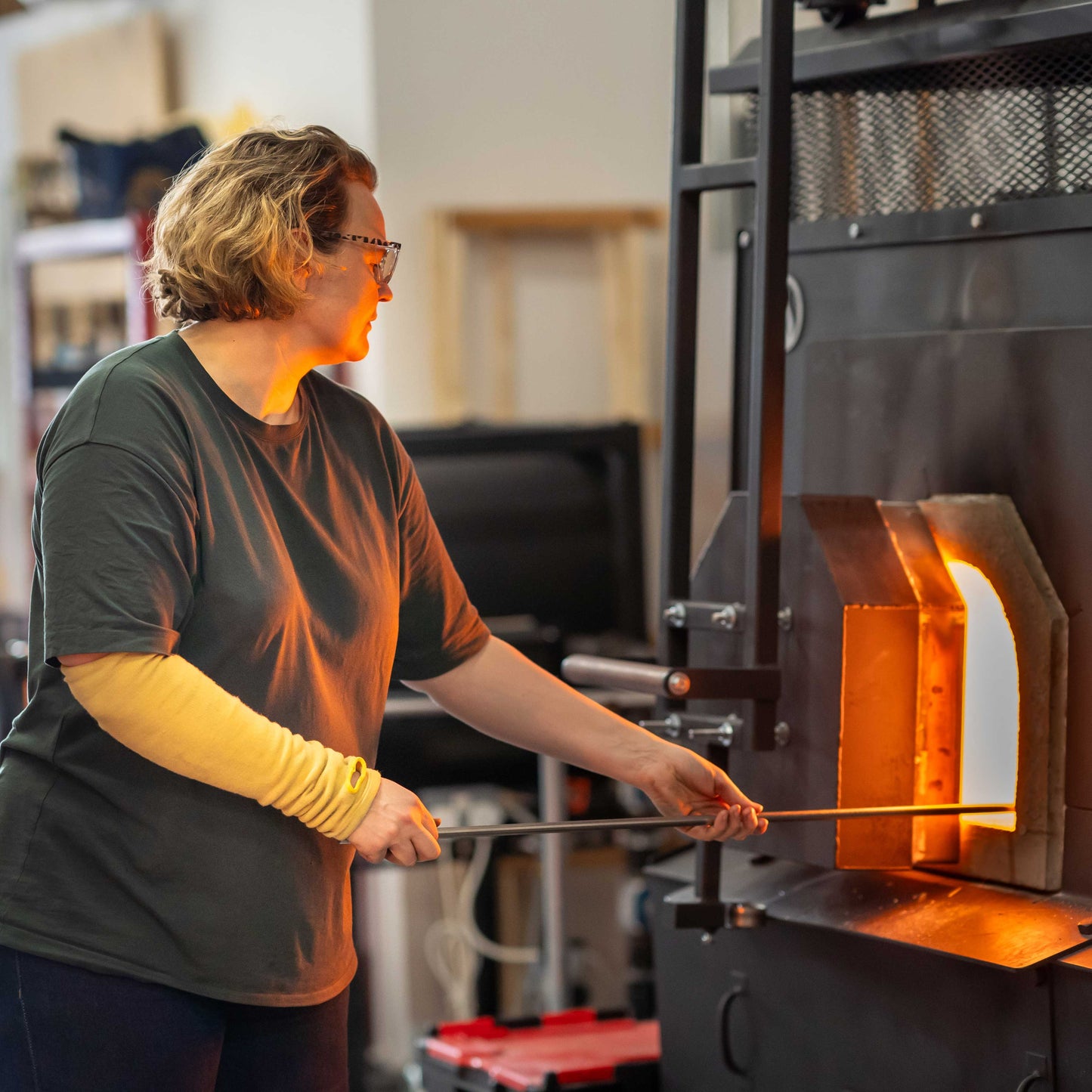
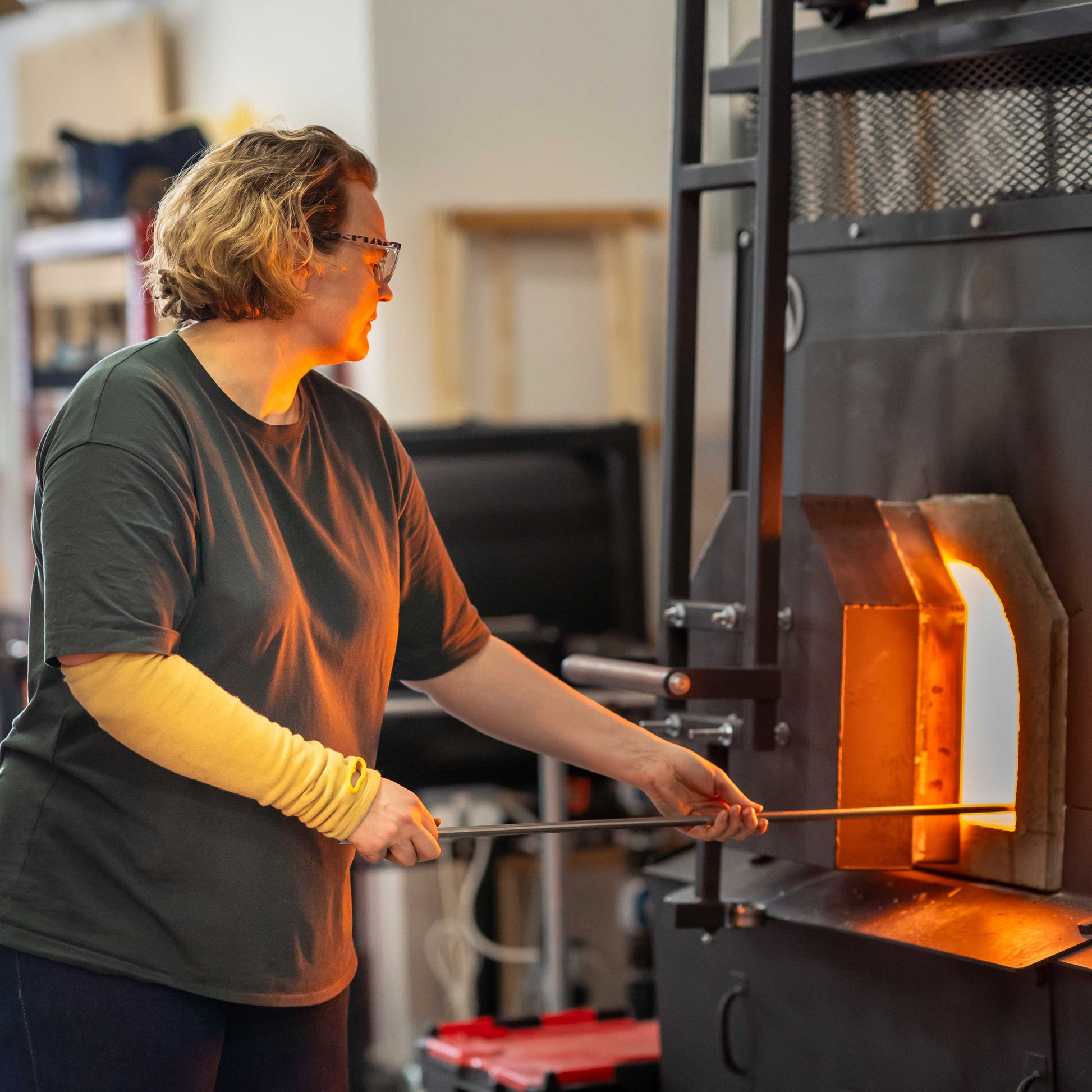
Step into the hot shop and take part in a half day glassblowing class in London at Gather, a working furnace-powered studio known for its bold colour and contemporary glassware.
In this beginner glassblowing workshop, you’ll get hands-on with molten glass and create your own small vase or carafe from start to finish, guided by expert glassmakers throughout.
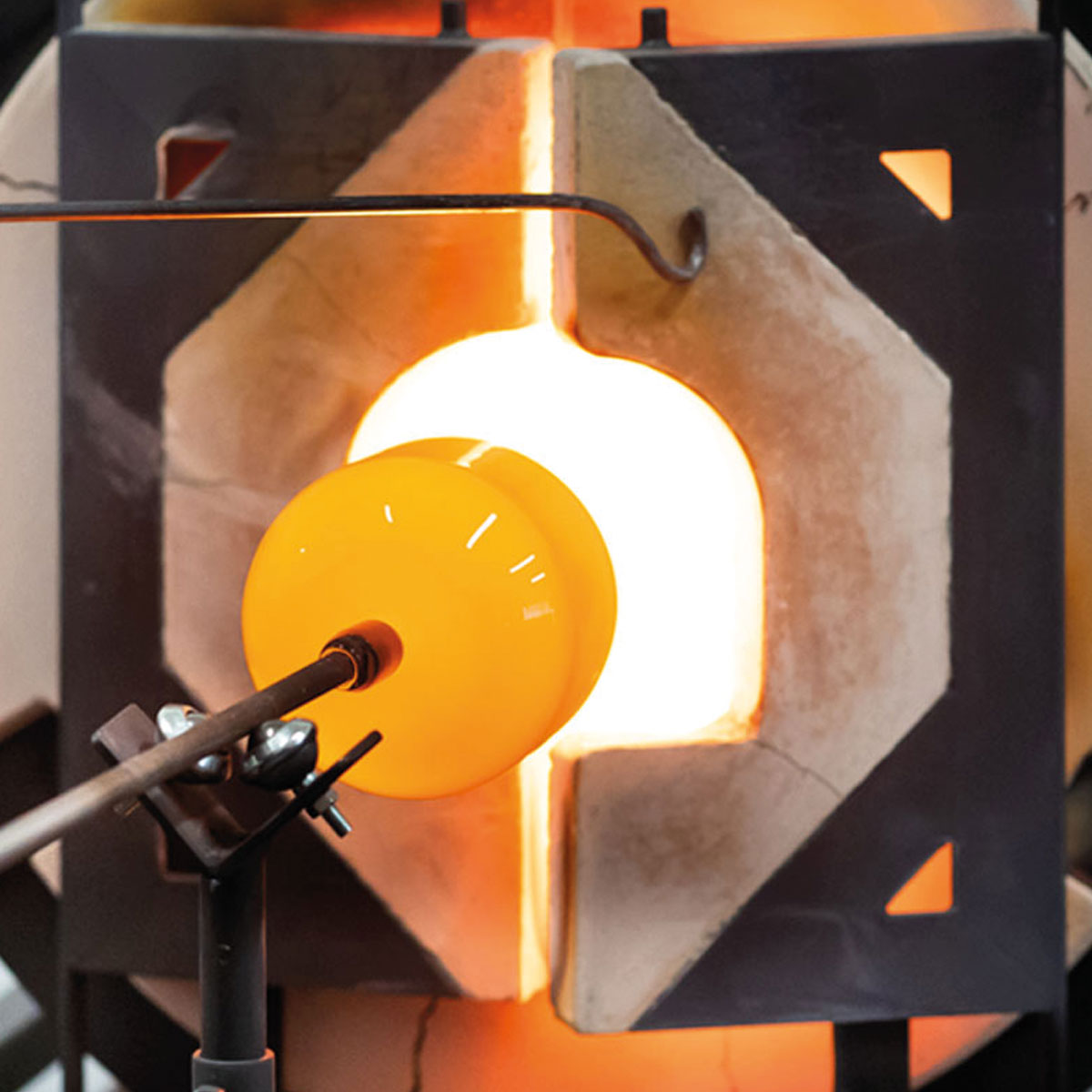
We begin by introducing the core tools and basic techniques, before moving on to selecting your colours. You’ll then gather glass from the furnace at over 1000°C, shape it using traditional methods, and blow it into a functional vessel. No previous experience is needed.
What’s included
- A half day glassblowing session (morning or afternoon)
- One person making one finished piece
- Choice of curated Gather colour combinations
- Hands-on instruction in a real hot-glass studio
Class details
- Duration: Approx. 3 hours
- Location: Gather Glassblowing Studio, London
- Ages: 18+
- Piece made: One vase or carafe
Your glass will cool slowly overnight in the annealer and will be ready to collect after 48 hours. We can also pack and ship your piece by courier for £10.
A design-led glassblowing class in London
This is a unique opportunity to try traditional glassmaking in a professional studio, with a focus on colour, form, and making functional glassware you can use at home.
If you’d like more time to develop your skills and make multiple pieces, see our full day glassblowing class.
See our class cancellation policy here.